Blog Feed

Superbugs!

….Its not what you think. Unfortunately, superbugs aren’t some cute little superhero “bug”. They’re actually a big problem! The Medical News Today defines superbugs as bacteria or fungi that have become resistant to multiple drugs that once effectively treated infection. These superbugs are becoming resistant to both antibiotics and disinfectants making hospitals a huge source of these stubborn pathogens.

Bacterial antibiotic resistance is a natural process, some might characterize it as ‘survival of the fittest’. A small portion of bacteria may have a genetic advantage to survive antibiotics. These resistant bacteria can then multiple and further the process. There are several things, however, that we are doing to make this process exponentially faster and more dangerous. A basic practice to help eliminate the spread of superbugs is to prevent infection to begin with, practicing good hand hygiene is a great place to start. Preventing antibiotic resistance can be accomplished by three solid practices: using antibiotics ONLY when necessary, using the SHORTEST effective treatment, and NOT taking antibiotics for viral infections (aka don’t take whatever is leftover in your medicine cabinet next time you get a common cold).

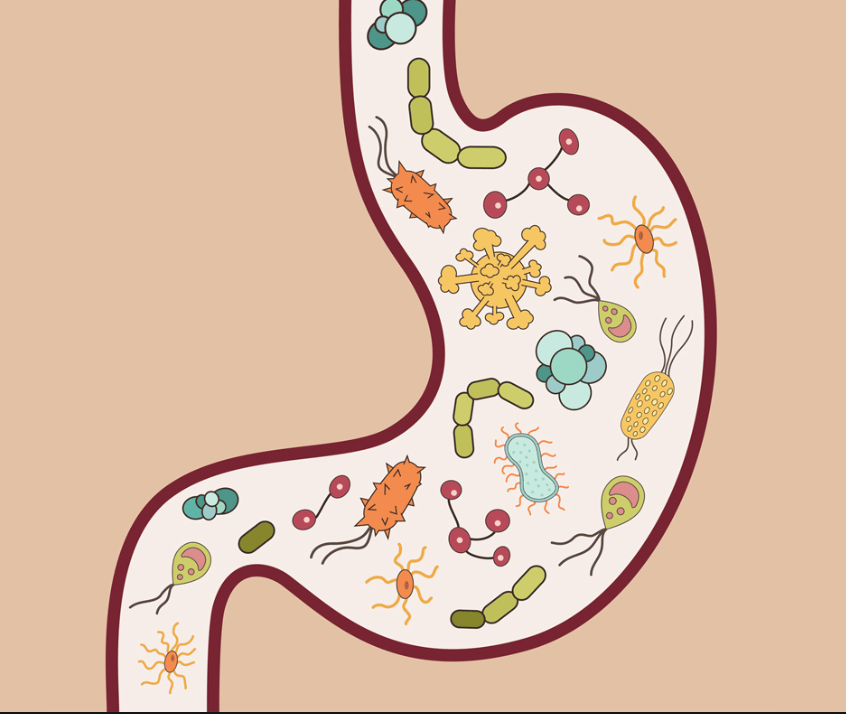
The Science Daily offers a new cutting edge approach to tackling these superbugs. Thank goodness! With antibiotic resistance growing and becoming a rapid issue, the science community is racing against the clock to develop new treatments. Their new antibiotic-free approach is aimed to treat Helicobacter pylori, an organism that is considered a “priority pathogen” because of the great threat it poses to global populations. Helicobacter pylori attaches to the stomach lining and causes ulcers, if not treated, it often leads to gastric cancer. This new treatment uses nanocapsules to prevent the bacteria from infecting the stomach lining. These nanocapsules contain natural substances like curcumin (found in tumeric) for their anti-inflammatory and anti-tumor properties. The capsules are coated with lysozyme so they are not degraded by stomach acid. This new treatment is very promising and hopefully it will be able to lessen the need for antibiotics and we can stop the spread of superbugs!

Keep Your Lungs Healthy!

Beat Whooping Cough and Pneumonia

I’m sure most of you have heard of pertussis or whooping cough as it is extremely dangerous in young children. Whooping cough is caused by the bacterium Bordetella pertussis and is characterized by three symptomatic stages; Catarrhal, Paroxsmal, and Covalescent. An infected individual will start experiencing mild symptoms similar to a common cold. However, these symptoms will progress to spasms of violent coughing that can lead to convulsions and vomiting. These coughing fits are very dangerous in babies and cause them to struggle for air, resulting in the “whooping” sound.

Thankfully, there are two very effective vaccines to protect yourself and your loved ones against this nasty respiratory infection at any age. The CDC informs us that there are two vaccines against pertussis, DTaP and Tdap. The DTaP is administered to children younger than seven year old and Tdap is given to individuals in the “pre-teen” category and older. You may ask yourself, ” Well ,what is the difference between these two vaccines anyway?”. The answer is: they both protect against diphtheria, tetanus, and pertussis by using a toxoid, or inactivated toxin that is released by the three diseases. But, DTaP is the initial vaccine and Tdap is a booster. Immunity fades over time so it is important to continue to get the Tdap booster every ten years after the initial dose. This will insure that your immunity stays at a healthy level.

Now onto another nasty respiratory infection: pneumococcal pneumonia. There are two vaccines to protect against pneumococcal pneumonia as outlined by the CDC. There is a conjugate vaccine and a polysaccharide vaccine. The conjugate vaccine works by joining a weak and strong antigen so the immune system has a stronger response against the invading bacteria. The polysaccharide vaccine works by imitating the exterior appearance of the invading bacteria so if they body comes into contact with the real bacteria, it will know how to respond effectively. I find it very comforting to know that only one dose of the conjugate vaccine protects 80% of babies from severe invasive pneumococcal pneumonia and 96% of vaccinated children were protected against pneumococcal disease caused by vaccine stereotypes. Looks like healthy lungs can be easily achieved with just a few vaccines!

Polio=Paralysis?

Polio is a disease that generally impacts children under the age of five who have not been vaccinated against it. Polio can cause permanent paralysis and death. There are two types of polio vaccines; the OPV (oral polio vaccine) and the IPV (inactivated polio vaccine). Although the number of wild polio cases has dramatically decreased due to regular vaccinations, the number of cases resulting in paralysis linked to the OPV is currently higher than the amount of paralysis cases caused by the wild polio virus itself. I find this very concerning!

As stated in a Cochrane article, as of 2016, the Word Health Organization has recommended that children should have has at least one dose of the IPV before the OPV. This will hopefully lessen the chances of developing paralysis as a result of the oral polio vaccine. The OPV has the ability to cause paralysis because it is a live attenuated vaccine as opposed to carrying an inactivated virus form, like the IPV. If given a dose of IPV first, their body will develop antibodies as protection against polio without being exposed to the live virus. The good news is, when these vaccines are given in the IPV-OPV order, chances of paralysis linked to the OPV is lessened by up to 100%.

A complete shift from the OPV to the safer IPV was perviously inhibited due to cost constraints. However, Dr. Andrew Kreppel studied the effectiveness of a new, less expensive inactivated polio vaccine. In his study, Kreppel had a participant pool of 1115 healthy, polio-unimmunized infants 60-90 days old. He was able to determine that the new sIPV is non-inferior when compared to the more expensive IPV. This was determined by measures of seroconversion rates along with geometric mean titers. I think these results are very promising and hopefully will soon be able to limits risks of paralysis associated with polio immunizations.

Vaccine Misinformation

The Anti-Vaxxing Movement: A Regression in Modern Medicine

The Prospect Magazine reports on members of the growing anti-vaxx movement in the UK and their reasoning. This article describes that are three main groups of those who are not being vaccinated; the “accidental anti-vaxxers”, those who think nature is better than science, and those who are afraid of possible ill side effects. The UK has become increasingly concerned by this movement especially since herd immunity is no longer able to protect the population and they’ve lost their “measles free” status.

The UK recognizes that all three of these groups should be addressed in different ways. But, among all three groups, they should be educated on the truth about vaccines. Hopefully eliminating misinformation will also lessen this growing movement. Interviews were conducted with a member of someone from each of the anti-vaxxer categories listed above to gain insight into their reasoning. In the “accidental anti-vaxxer” category, a mother admitted that she fully intended to take her son to get his second round of the MMR vaccine but she forgot. A possible solution to these logistical barriers might be having the doctors office send out reminders. As far as financial barriers go in the UK, all vaccines are free of charge. Another mother, a firm anti-vaxxer, explained that she did not feel comfortable giving her child the MMR vaccine because of its’ alleged link to autism. Although this link has been disproven long ago, there is still a lot of faulty information out there. Among all three groups, guilt and fear are a common denominator. But thankfully, knowledge is more powerful than either of those feelings.

The CDC concisely breaks down the reasons why you should vaccinate your child and addresses some of the most common concerns. The CDC explains that the vaccine cannot give your child the disease that they are being vaccinated against and that mild symptoms after vaccination is just their immune system building up their natural defenses. If you wait to vaccinate, you could be putting both your babies and others at risk. It’s easier to prevent a disease than to treat it.

Probiotics 101

Probiotics have been trending on the market recently as a dietary supplement to benefit overall heath. But do they really work? Before we jump into this new trend, I should explain a little bit about gut microbiota, or the collection of bacteria that colonize your digestive tract. These little organisms may seem unimportant. But the truth is, they have a huge impact on your health and can effect things like metabolism, immune response, and even obesity.

So listen up! This is what two microbiologists from Baylor College of Medicine have to say on the matter: recent studies show that diet has a direct impact on human gut microbiota. High fat and high sugar diets feed the wrong types of bacteria. This in turn impacts gene regulation in the gastrointestinal tract. These genes regulate things like immunity and nutrient absorption. Probiotics are oral supplements containing live bacteria that have the ability to restore the balance of microbiota in your gut. It may seem counterintuitive to take a pill full of bacteria because often we know bacteria as microorganisms that cause disease. But, when there is a balance of healthy bacteria in your body, they can suppress pathogenic growth, and help break down complex molecules to aid in digestion and absorption.

A New York Times article recognizes a few benefits of probiotics. Such as, probiotics can be useful after a round of antibiotics to reestablish a normal gut microbiota, and can help limit pathogenic strains of bacteria like Clostridium difficile and Helicobacter pylori from colonizing the GI tract and causing diarrhea and ulcers. Overall, this article warns that there is still a lot of research that needs to be done in this area of study before many medical professionals feel comfortable recommending probiotics to their otherwise healthy patients. There is more research to support that probiotics can be beneficial in patients who are experiencing illnesses such as IBS and C. difficile infections. But, for healthy patients, they should consider holding off on joining the probiotic bandwagon. Further clinical studies need to be conducted to determine the side effects of probiotics to ensure they are really as safe as they are made out to be.

Coronavirus: A Second Look

It may not be exactly what you had in mind…

In my last post reporting on the coronavirus outbreak, I explained the basics. Checking back in, let’s see how things have progressed.

The Nature Journal discusses the newest developments with this outbreak as of February 5th. As the number of reported cases in China have now exceeded 20,000 the World Health Organization declares global emergency, their highest level of alarm. China is preparing to send samples of the virus to isolated labs across the world to hopefully develop a vaccine or antiviral medication. Without gaining an understanding of this virus, epidemiologist worry that this virus will not be contained and may become endemic to the population and circulate every year, just like the flu.

So far, they have learned that in some cases, this virus can present as asymptomatic. This causes great concern because it makes the virus even harder to contain. Virologists have also learned that the pathogenesis of the current circulating strain is very similar to the strain that causes SARS, severe acute respiratory syndrome. The current strain exploits the same molecular receptors to enter the cell. These researches are racing against time to find a vaccine and medication to slow down this pandemic.

CNN reports on experimental antiviral drugs that could possible be used to treat the coronavirus. Gilead Sciences, a pharmaceutical company, has attempted to use a preexisting Ebola antiviral to combat the symptoms of coronavirus. This drug is called Remdesivir. Although it has not been licensed or approved for treatment by any global health organization, they are still hopeful as it has been successful in treating some cases of SARS, which is very similar to coronavirus. While many large pharmaceutical companies are racing to solve this looming problem, Gilead warns that unfortunately it may be another year before they find a suitable vaccine.

What’s New with the Flu?

The Flu Virus: explained

The flu virus is a hot button topic every year when winter rolls around. However, there is a lot of false information and wives tales floating around. How much do you really know about the flu? The CDC breaks down everything you need to know to stay healthy this flu season. Influenza, or the flu, is a very contagious respiratory virus that spreads through respiratory droplets. Basically, an infected person can spread this virus by simply talking, sneezing, or coughing. Infected droplets can spread up to 6 feet away! Gross!

These are the common symptoms you should be on the look out for: fever, chills, coughing, sore throat, muscle aches, headaches, and fatigue. Non of those symptoms sound too fun, so let’s learn how to protect ourselves. The CDC says preventative measures like; washing your hands, covering your nose and mouth, avoiding touching your face, and avoiding close contact will greatly decrease your chances of getting the flu. But above all, get the yearly flu vaccine!

On average, 8% of the U.S. population gets sick from flu each season”

The Center for Disease Control

Is the Flu Vaccine Really Even Effective?

Let’s start with a couple common misconceptions that i’m sure you’ve all heard: “There are so many strains of the virus, the vaccine can’t be effective”, “Don’t get the flu shot! It’ll give you the flu”, “They’re just purely guessing which strain to vaccinate against”, the list goes on. Thankfully, US Pharmacist goes through these misconceptions and explains the truth. The most common form of flu vaccine is called IIV, inactivated influenza vaccine, this vaccine does not carry a live form of the virus and cannot give you the flu. Some people may experience feelings of malaise after receiving the flu shot, but that’s just your immune system gearing up and preparing in case it ever comes into contact with the live virus. More specifically, the flu vaccine works by inducing antibody production against the HA and NA surface proteins on the influenza virus. The World Health Organization annually studies the circulating viruses and makes suggestions about which strains should be included in the vaccine that year. Most of these vaccines protect against 3 or 4 of the most common strains. This year, the FDA made a change and the quadrivirulent vaccine can now be administered in a low dosage to children 6-35 months. When it comes to efficacy, when the vaccine matches the circulating virus, the risk is reduced by 40-60 percent among the population. To put your mind at ease, no the flu shot cannot give you the flu, the vaccine protects against more than one strain, and there is a lot of research that goes into studying the virus strains that will be circulating each and every year.

Side Note: if you do happen to be among the unlucky and you come down with the flu this year, there’s still hope! As soon as you come down with flu-like symptoms, go to the doctor and begin antiviral medication. Antiviral medication can lessen the severity of symptoms and protect against complications like pneumonia.

Coronavirus Outbreak

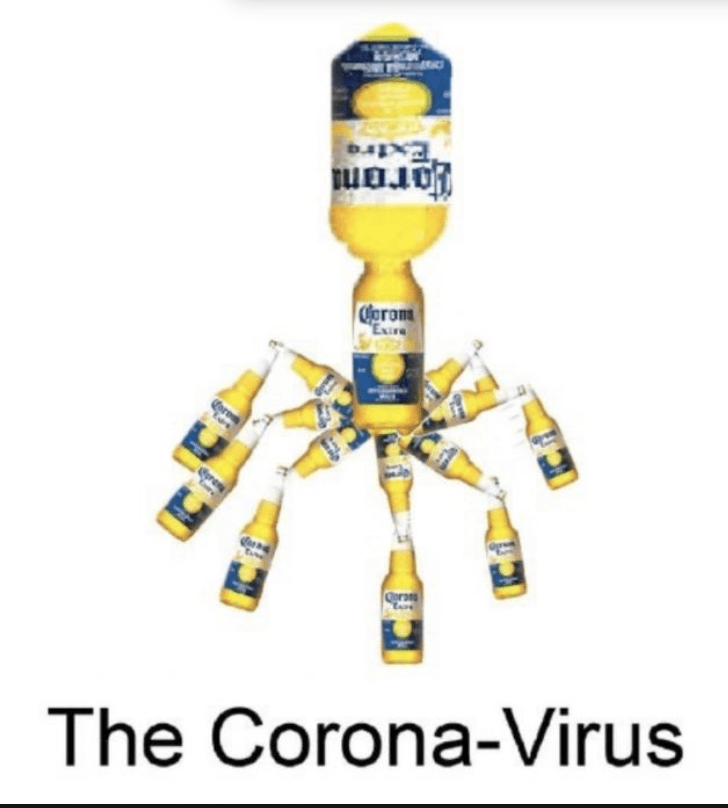
The Center for Disease Control reports on an outbreak of the Coronavirus, a virus that causes respiratory infection. This outbreak originated in China and has now spread to several other global locations, including the US. The Coronavirus is spread via droplet transmission, like most other respiratory infections, including the flu. Droplet transmission is a form of direct contact that occurs through things like coughing and sneezing. This makes the virus very easily spread, especially if people are in crowded areas. So remember, cover your mouth and wash your hands!

The Coronavirus causes coughing, sneezing, fever, and shortness of breath. These symptoms can range from mild to very severe. In some cases, this virus has proved fatal . The incubation period can be as long as 14 days. This is concerning because infected individuals have the ability to unknowingly spread the virus for up to two weeks before even developing symptoms. The CDC warns that there is currently no antiviral medication and the only treatments available are of supportive nature to manage symptoms. The best thing to do is practice preventative measures like diligent hand hygiene.

The American Society for Microbiology gives us a closer look at the structure of this pathogen. Coronavirus is an enveloped virus with a helical capsid structure and a pleomorphic virion shape. That just sounds like a bunch of scientific nonsense. But this is why it matters: enveloped viruses are susceptible to the effects of disinfectants. Disinfectants, like hand sanitizer, target the envelop of viruses. If a virus’s envelope is destroyed, then it is no longer virulent and cannot infect yourself or others. The best way to stop the spread of this virus is to limit droplet transmission by using face masks, wash your hands frequently, and use disinfectants on commonly used surfaces…oh yeah, and avoid traveling to China!

Wakefield Studies and MMRV

Wait… Vaccines Don’t Cause Autism?

Andrew Wakefield published his work linking the Measles, Mumps, and Rubella vaccine (MMR) to intestinal inflammation that would cause the eventual development of autism in 1998. This publication struck fear in parents across the world and the results of these claims lingered for many years to come. His research ignited a wide spread anti-vaccination movement that unfortunately was based on scientifically insignificant research. Even though the scientific community retracted his studies 12 years later, many people are still justifying their choice to avoid vaccinating their children with Wakefield’s faulty claims.

Let’s take a moment to break apart Wakefield’s argument. Why was it retracted? Well according to an informative article from Philadelphia Children’s Hospital, let’s look at the facts. Wakefield only recruited 12 children, all from England, and only one of them was female. With a sample of this nature, I would find it hard to justify that any findings could be applied to an entire population. Anyway, at first glance, it seems alarming that 8 of these 12 children developed intestinal complaints and autism within one month of receiving MMR. However, this is completely understandable when given the context. “90% of children in England received MMR at the time this paper was written” and the age when MMR is typically administered to children is also the same age when symptoms of autism typically begin to emerge (Offit, Handy, Bodenstab). Therefore, a correlation between recent MMR vaccination and the development of autism symptoms should be expected.

Let me point out, in the scientific community, the only valid mechanism of determining causation is through experimentation. In order to be considered an experiment, a variable must be directly manipulated. In Wakefield’s study, he merely gathered a very small group of children, who had all received MMR, and who were all within the normal age range for the appearance of autism. He then attempted to claim that MMR caused autism. He then attempted to justify this claim with parent testimony and testing of intestinal symptoms after symptoms of autism had already developed. None of these circumstances resemble a scientifically credible experiment. I think with this understanding, it is clear to see that under no circumstances was a causational relationship rightly justified. While Wakefield may have found a correlation between the MMR vaccine and the development of autism, this was likely only due to an age similarity. This correlation gives us no reason to believe that MMR causes autism. Like my wise psychology professor drilled into my mind…

Correlation DOES NOT determine causation!”

-UNC’s very wise psychology professor, Jeannie Loeb

Wakefield’s study was not verified by other independent scientists. Other researchers performed well controlled studies with large sample sizes that focused on the scope of autism disorder itself and how it relates to MMR. These studies all support a similar conclusion; autism develops in the nervous system early in the womb and is not caused by environmental factors later in child development, like the MMR vaccine.

Measles Outbreak?!?

…Am I at Risk?

NPR reports recent news that measles is on the rise all across the globe. This raises the question… who is at risk? Most of you might think that only those who have not been vaccinated against this highly contagious disease should be worried. Turns out, thats not the case! As outbreaks of measles rise in the United States, making sure you’re up to date on your vaccinations should jump to the top of your priority list.

The topic of “revaccination” is gaining a popular following. The current measles vaccination is an attenuated vaccine, meaning, the measles pathogen present in the vaccine is much less virulent than the normal pathogen, but it is still viable (or alive) in order to produce an immune response. This attenuated measles vaccine provides over 90% protection against the virus. Amazing! Unfortunately, people vaccinated prior to 1968 should consider getting a measles booster, or another dose of the vaccine. The vaccine used to protect against measles prior to 1968 only had an inactivated or killed form of the pathogen. The CDC warns that this form of vaccine is not effective and urges people to get the current attenuated MMR vaccine if they are unsure of their vaccination status.

“Another dose of the same vaccine?”, “I’ve already had this shot once before!”, concerns of overdose might come to some people’s minds. This is a reasonable concern, but don’t worry! This is a win win situation. If you received the inactivated vaccine as a child and you get the current attenuated MMR vaccine, you will be protected during the current outbreak. However, if you are unsure which vaccine you received as a child, go ahead and get the most up to date MMR. William Schaffner, an infectious disease and vaccine expert, assures that if you are already immune, it may not help much, but an additional dose won’t hurt you in any way. Better to be safe than sorry! If you’re still not convinced, you can get blood work done to determine your immunity status. Personally, extra needles and visits to the doctor don’t appeal to me. Good news to wrap things up; most folks born before 1957 don’t need to worry with additional measles boosters because the virus was so wide spread during that time, they have most likely already been exposed. Phew!

My First Blog Post

All about me…

Hi! My name is Kinsey. Im from a small town in North Carolina. I am a second year EXSS student at UNC. My goal is to become a PA… as i’m sure half of the other students in this class share the same goal. Growing up, I spent all of my free time figure skating and now I coach in Hillsboro . I love being able to instill in kids from a very young age how to get back up after they fall (unfortunately, they just spend most of the time crying).